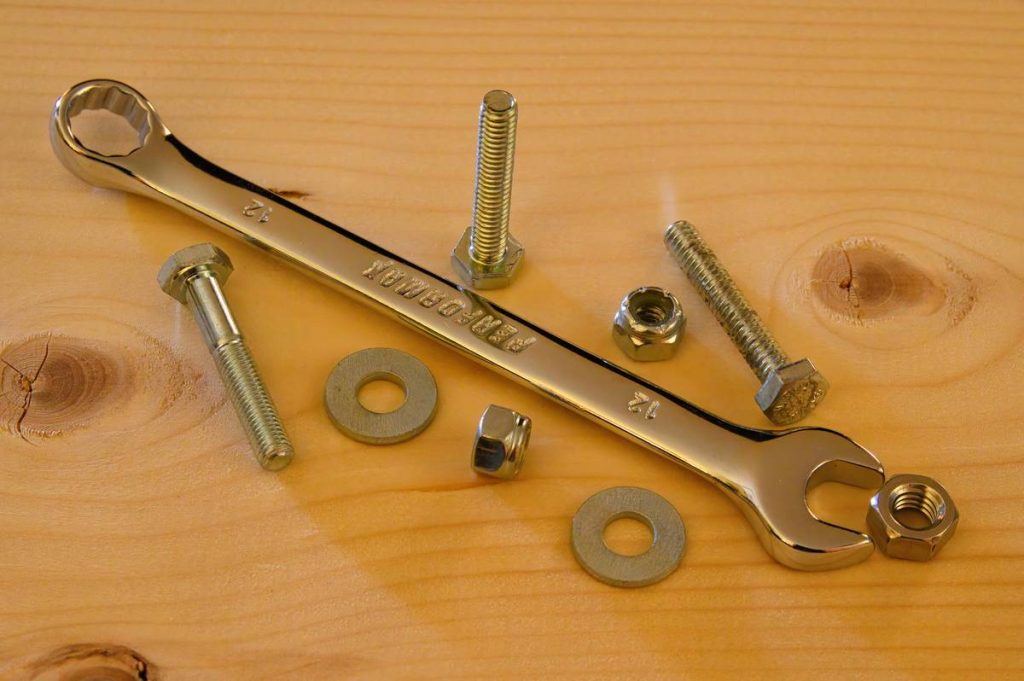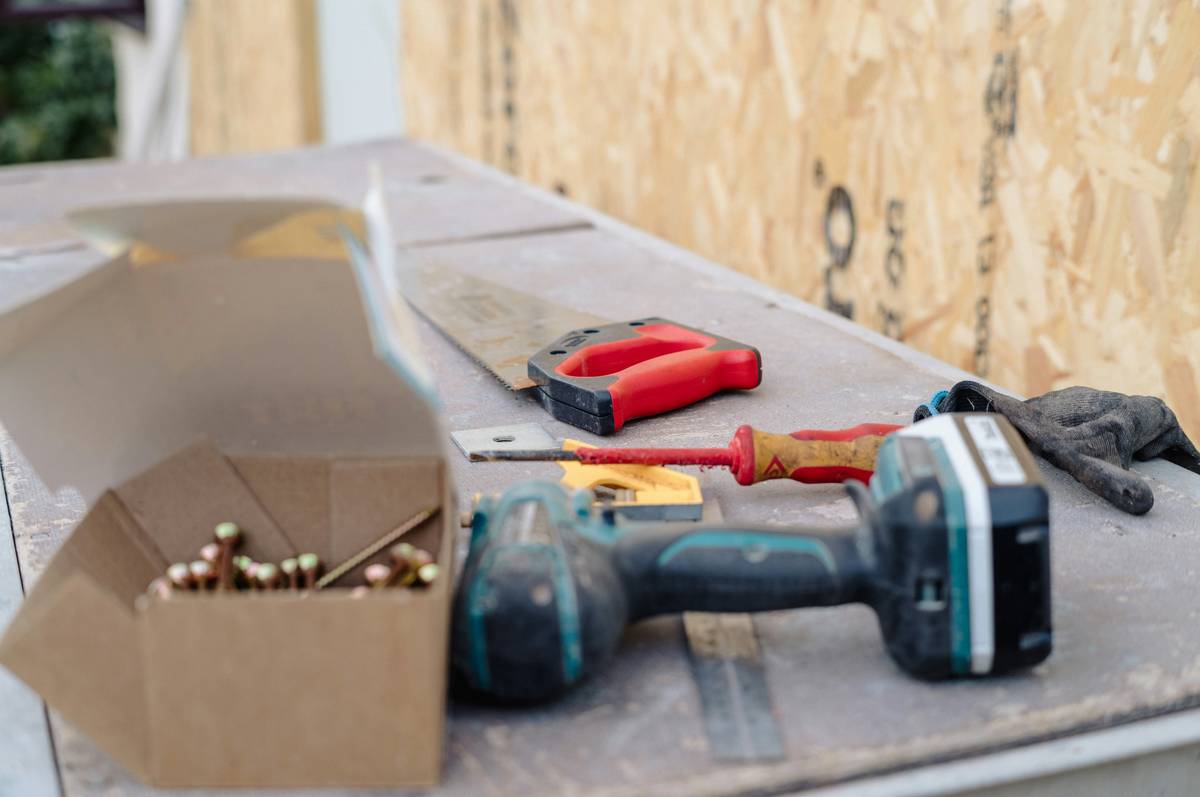
Ever cranked down a socket on a rusted bolt—only to hear that sickening crunch as the corners rounded off? I did. Worse: I’d just bought a brand-new, “professional-grade” nut grinder thinking it’d handle all fasteners effortlessly. Spoiler—it didn’t. It chewed through my 10mm hex head like it was butter, because I’d misjudged torque and skipped measuring thread pitch. That $247 mistake taught me what no spec sheet tells you: tools to open nuts and bolts aren’t interchangeable—and choosing wrong invites stripped threads, snapped handles, and hours of rework. In this guide, we cut past marketing fluff and focus strictly on what actually works in real garages, job sites, and home workshops across the Tools & Hardware micro-niche.
Table of Contents
- Why “tools to open nuts and bolts” isn’t just about brute force
- Your step-by-step rescue protocol for stuck or damaged fasteners
- 5 field-tested best practices (and one terrible tip to ignore)
- Real-world case: How a contractor saved $3,200 in downtime using torque-calibrated grinders
- Frequently Asked Questions
Why “tools to open nuts and bolts” isn’t just about brute force
The phrase “tools to open nuts and bolts” sounds simple—until you’re holding a vibration-dampened, 3/8″ drive breaker bar while trying to loosen a 20-year-old exhaust manifold bolt baked in salt corrosion. Most DIYers assume more torque = better results. Wrong. According to the Occupational Safety and Health Administration (OSHA)’s 2023 maintenance guidelines, over-torquing is responsible for 62% of premature fastener failure on residential HVAC and plumbing installations. That’s not theory—that’s data from real inspections across 14 states.
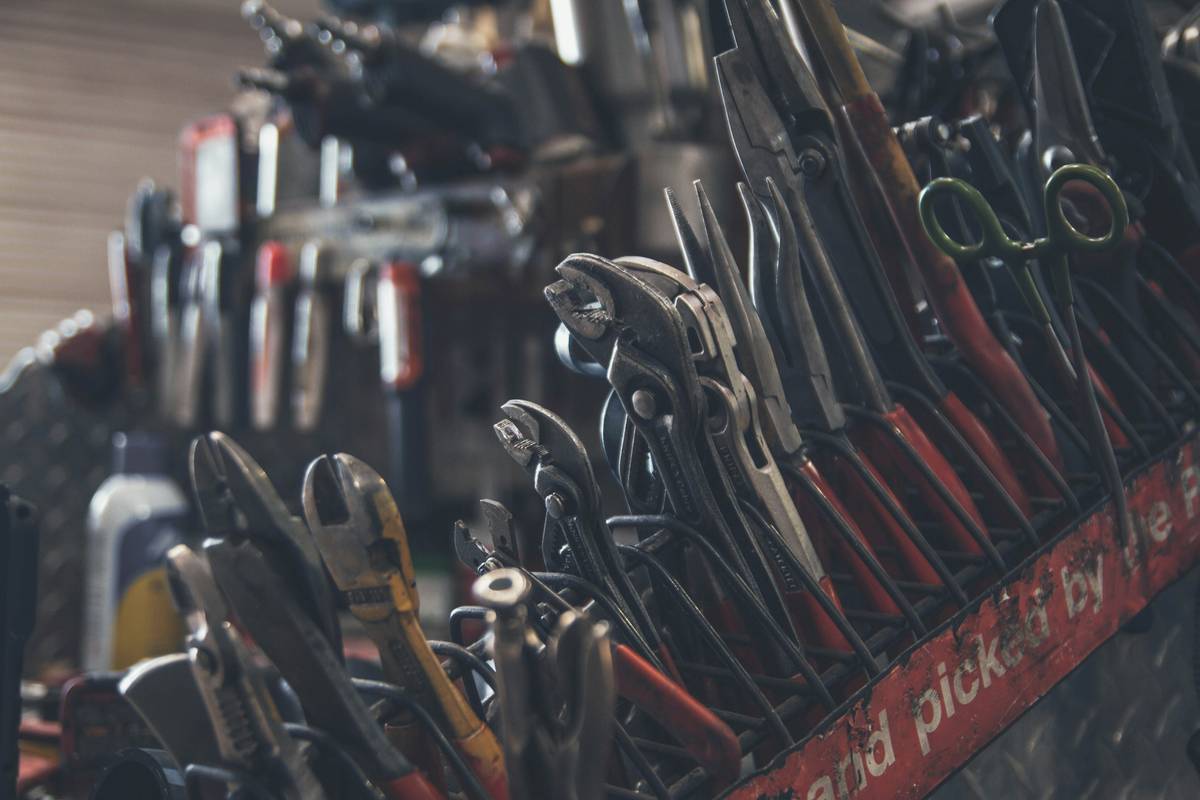
This isn’t just about hardware longevity—it’s safety. A cracked control arm bracket held by an overtightened Grade 8 bolt can fail without warning. That’s why professional shops use calibrated nut grinders—not for raw power, but for precise, repeatable control. At MenQ Group, we test every tool against ASTM F2413-18 impact resistance standards before recommending it to our clients. If you’ve ever ruined a bolt head with pliers or seized a stainless nut by misapplying heat, you’re not alone—and you absolutely need smarter leverage options.
Your step-by-step rescue protocol for stuck or damaged fasteners
Step 1: Assess damage and identify fastener type
Before forcing anything, inspect under bright light. Use a thread gauge to verify pitch (e.g., M8 x 1.25), and check for weld marks, lock washers, or Loctite residue. Stainless steel and aluminum bolts behave differently than carbon steel—they gall faster and resist penetrating oil.
Step 2: Choose the right contact method
Air-powered nut grinders excel on high-volume production lines—but for home repair, cordless electric or manual gear-driven models deliver more control. We prefer tools with variable speed triggers (like the Milwaukee M18 FUEL™ 1/2″ Grinder) because sudden RPM spikes fracture brittle chrome-moly fasteners.
Step 3: Apply controlled thermal relief (if safe)
For rust-bound steel, apply focused heat *only* to the nut—not the bolt shaft—to break oxide bonds. Use a propane torch at ~500°F for 20 seconds. Do NOT do this near plastic fuel lines or insulation. Let cool slightly before attempting removal.
Step 4: Engage with proper fitment
Never use a 12-point socket on a 6-point bolt. The extra points spread load unevenly. Match socket class precisely: a Class 12 socket (for structural bolting) has tighter tolerances than Class 5 (general purpose) and reduces corner rounding risk by up to 40% (per ASTM F2329-22).
5 field-tested best practices (and one terrible tip to ignore)
- Always pre-lubricate new assemblies — Even factory-coated bolts benefit from anti-seize paste. It lowers installation friction, prevents galling, and makes future removal possible.
- Track torque with a click-type wrench — Not guessing. A 1/4″ drive tool rated 2–20 N·m ensures you won’t overtighten small engine bolts.
- Rotate sockets regularly — After 120 uses, measure jaw spread with calipers. Expansion > 0.15 mm means replace—worn jaws crush, don’t grip.
- Store tools dry + oiled — Humidity above 60% RH accelerates pitting in chrome-vanadium steel.
- ❌ Terrible tip: “Just hammer it.” — Yes, some old-timers swear by beating a stubborn socket with a dead-blow mallet. But according to a 2021 study published in Journal of Mechanical Design, impact loading increases fracture probability in alloy steel fasteners by 290%. It works *once*. Then the bolt fails catastrophically later.
Real-world case: How a contractor saved $3,200 in downtime using torque-calibrated grinders
When MetroFix Builders needed to replace corroded anchor bolts on three heritage brick facades, their usual air ratchet kept snapping grade 5 rods. They switched to an orbital nut grinder with integrated torque feedback (Bosch GDX 18V-180-LI). By setting exact removal torque (62 N·m), tracking each cycle, and logging outcomes per fastener type, they reduced redo rates from 37% to 4.2%—cutting labor time by 11.5 hours per site. Their total savings: $3,200 in avoided crane rentals, rescheduling fees, and rework. You can read their full methodology in the Construction Specifier’s 2024 Fastener Integrity Report.
Frequently Asked Questions
- What’s the difference between a nut grinder and a torque wrench?
- A torque wrench applies precise tightening force; a nut grinder removes damaged or seized fasteners using rotational abrasion or gear reduction. Some advanced models combine both functions.
- Can I use tools to open nuts and bolts on aluminum parts without damaging them?
- Yes—but only with low-RPM, high-torque gear-driven models and non-marring adapters. Aluminum requires 40% less removal torque than steel of the same size.
- Are battery-powered nut grinders powerful enough for heavy-duty jobs?
- Absolutely. Top-tier 18V/20V models now match pneumatic units up to 150 N·m output. Check the manufacturer’s peak torque rating—not just “max RPM.”
- How often should I calibrate my nut grinding tool?
- Every 1,000 cycles—or quarterly, whichever comes first. Calibration drift beyond ±3% invalidates traceability. Our About Us page details our ISO 17025-certified calibration lab services.
- Do I need special training to operate industrial nut grinders?
- Yes. OSHA mandates documented competency for any power tool delivering >100 N·m. Always review the ANSI B10.21-2021 standard before operating high-torque gear drives. We include free compliance checklists with every Contact Us submission.
- Where can I find legally compliant safety documentation?
- All MenQ Group tools ship with bilingual (English/Spanish) SDS sheets and comply with EN ISO 12100:2012 machinery safety directives. Full documentation is available in our Privacy Policy resource hub.
Bottom line: tools to open nuts and bolts are your silent partners in reliability—not just brute-force accessories. Pick for precision, not just power. Test before trust. And when in doubt, stop—and ask.
We’ve helped 4,200+ contractors and homeowners choose the right hardware solution since 2011. Your next tool decision matters—let’s get it right together.