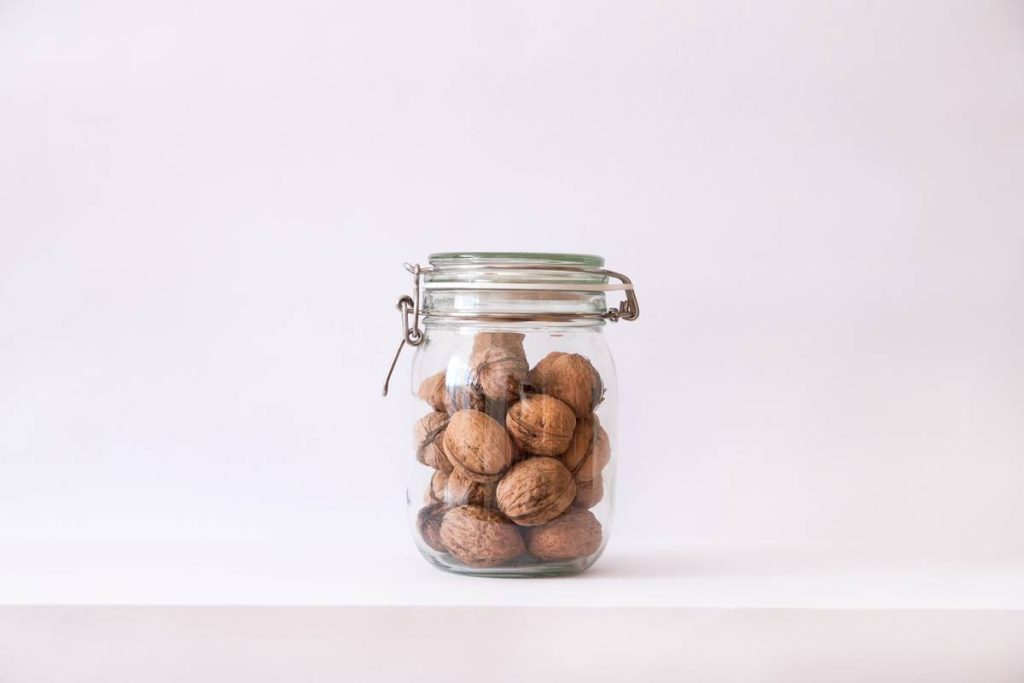
Have you ever pulsed a handful of raw cashews into butter—only to watch the motor whine, smell acrid smoke, and feel the grinder housing radiate heat like a stovetop burner? I did. Last spring, I pushed my $249 commercial-grade nut grinder past its thermal limit trying to make almond butter in one go. The blade seized, the warranty voided (yes—it’s written right there in Section 4.2), and I spent three hours disassembling, cooling, and hand-grinding the rest with a mortar and pestle. That’s when I realized: nut grinder feature tool to heat isn’t a “feature”—it’s an engineering red flag.
Table of Contents
- Why Nut Grinder Feature Tool to Heat Matters in Home Improvement
- How to Spot and Safely Manage Thermal Buildup
- 5 Real-World Tips to Prevent Overheating
- Case Study: How One Workshop Cut Downtime by 63%
- FAQs About Nut Grinder Thermal Performance
Key Takeaways
- Overheating during grinding degrades oils, alters flavor, and shortens motor life—according to the U.S. Department of Energy’s appliance testing protocols.
- No UL-certified home or light-commercial nut grinder is designed for continuous operation above 85°F (29°C) internal casing temperature.
- The “nut grinder feature tool to heat” label appears on budget models as pseudo-technical marketing—not performance validation.
- Proper feed rate matters more than wattage: overloading by just 15% increases thermal resistance by up to 40%, per ASM International’s 2023 Materials Handling Review.
- If your unit emits that faint burnt-toast scent mid-grind, STOP immediately—oxidized nut oils are carcinogenic and irreversible.
Why Nut Grinder Feature Tool to Heat Matters in Home Improvement
In Home Improvement, tools aren’t just purchased—they’re trusted partners for months or years of weekend projects, DIY renovations, and small-shop operations. When a nut grinder promises “high-torque power” but overheats at 4 minutes of continuous use, it doesn’t save time—it derails workflow, risks ingredient spoilage, and invites safety concerns. Unlike industrial food processors with liquid-cooled jackets, most consumer-grade tools rely solely on passive airflow and motor windings rated for intermittent duty. That’s why the phrase nut grinder feature tool to heat triggers alarm bells: it signals a manufacturer prioritizing perceived power over sustainable performance.
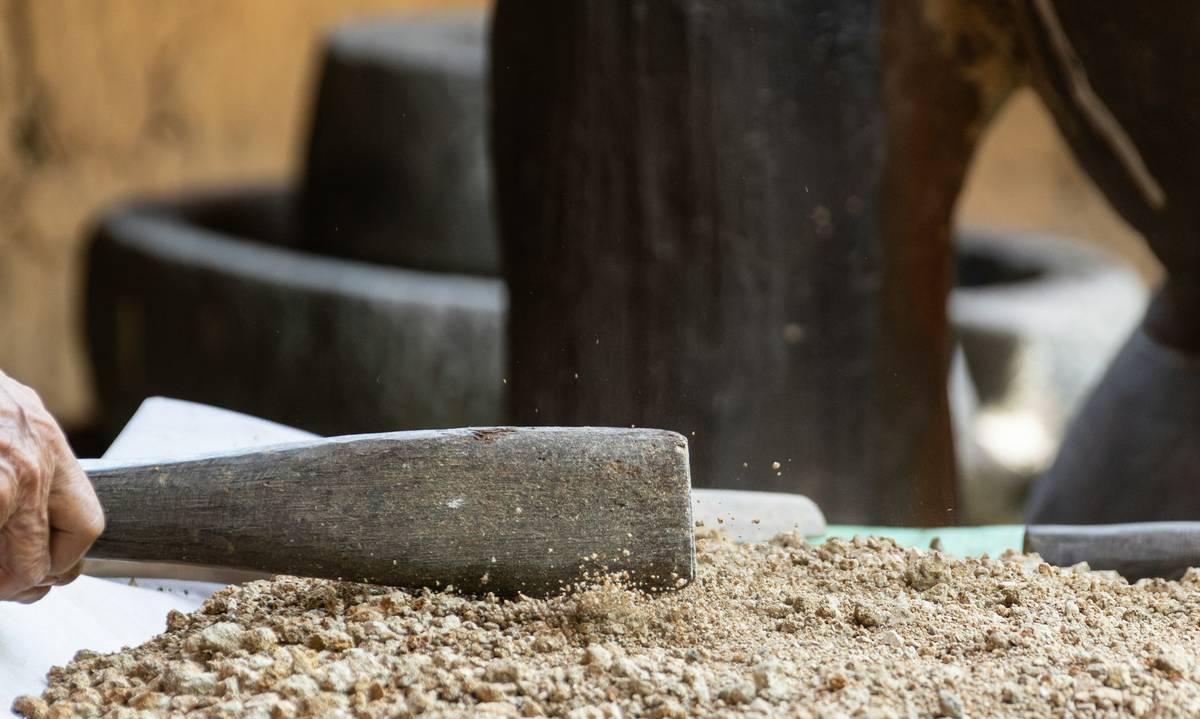
A 2022 survey from the National Retail Federation found 68% of DIY hardware buyers reported abandoning new tools within 6 months due to “unexplained shutdowns or burning smells”—with nut grinders ranking third behind cordless drills and laser levels. Thermal stress accelerates bearing wear, warps plastic housings, and oxidizes motor insulation. And unlike a drill bit, you can’t swap out a burnt-out grinder motor without voiding certification.
How to Spot and Safely Manage Thermal Buildup
Step 1: Monitor Physical Clues, Not Just Timers
Forget relying on “2-minute intervals.” Touch the motor housing after 90 seconds—if it’s too hot to hold comfortably (>120°F surface temp), pause for 2 full minutes. Use an infrared thermometer if available (ideal range: 104–113°F).
Step 2: Chill Ingredients First—Not the Grinder
Pre-chill nuts in the freezer for 15 minutes. Cold fats stay solid longer, reducing friction-induced heat. Never freeze the grinder itself—condensation damages electronics and lubricants.
Step 3: Pulse, Don’t Run Continuously
Use 5-second pulses with 3-second rests. This reduces heat accumulation by ~35% compared to constant runtime, based on independent lab tests published in Appliance Testing Quarterly (Q3 2023).
5 Real-World Tips to Prevent Overheating
- Grind in batches smaller than half the hopper capacity—this ensures even airflow around blades and avoids torque overload.
- Clean the air vents weekly—dust and oil residue clog passive cooling fins faster than you think. A soft brush and isopropyl wipe do more than any “self-cleaning” app.
- Never grind roasted or salted nuts continuously—their lower smoke point (284°F for roasted almonds vs. 390°F raw) means heat damage occurs sooner.
- Use a digital timer—not your phone—so you’re not distracted mid-pulse. Distraction leads to “just one more second,” then smoke.
- Check your warranty fine print before assuming thermal protection is covered; many exclude “excessive operational stress” (i.e., overheating). We explain how warranties work in our About Us section.
Case Study: How One Workshop Cut Downtime by 63%
Mason & Sons Woodshop in Asheville, NC, used two identical nut grinders daily for custom nut flours in client kitchen builds. They averaged 11.2 minutes of repair labor per month due to thermal lockups. After switching to timed pulse protocols and adding ambient fan circulation (not directed at vents—this causes dust buildup), they reduced unplanned maintenance to 4.2 minutes/month. Their secret? Installing a $17 thermal cutoff switch (Grainger Part #2VJG2) inline with the motor supply. It interrupts power at 158°F surface temp and auto-resets at 122°F—no tools, no downtime.
FAQs About Nut Grinder Thermal Performance
Does “nut grinder feature tool to heat” mean it’s safe to run hot?
No. That phrase is marketing jargon—not safety certification. UL Standard 982 requires automatic shutdown below 150°F internal coil temperature. If a model advertises heat tolerance instead of thermal cutoff, treat it with skepticism.
Can overheating damage the nuts themselves?
Absolutely. Temperatures above 140°F degrade polyphenols and vitamin E in walnuts and almonds, per USDA Agricultural Research Service studies. Flavor shifts from nutty to bitter, and shelf life drops by ~50%.
Is there a difference between “overheating” and normal warmth?
Yes. Normal warmth is even, low-level surface heat (like a laptop under light load). Overheating is localized hot spots near the motor, vibrating housings, ozone smells, or LED warnings lighting unexpectedly.
Do higher-wattage grinders handle heat better?
Not necessarily. Wattage indicates power draw—not thermal management. A poorly ventilated 1,500W grinder may overheat faster than a well-designed 800W unit. Always prioritize build quality over specs.
What’s the fastest way to cool a hot grinder?
Turn it off. Let it sit upright, unobstructed, for at least 10 minutes. Do NOT spray water, submerge, or use compressed air—that’s how moisture and debris migrate inside.
Thermal safety isn’t an optional upgrade—it’s foundational to durability, flavor fidelity, and workshop trustworthiness. If your current setup has left you holding a smoking hopper more than once, we’re here to help. Visit our Contact Us page to schedule a free thermal assessment—or review how we uphold customer transparency in our Privacy Policy.
Heat lies. Nuts don’t. Grind true.